The product
Coconut oil
An extra virgin, cold-pressed coconut oil, with no refining or chemical treatment. It is produced in our container laboratory in Nosy Be, powered entirely by solar energy, out of respect for the environment.
Add to my request
Build your request like a basket: several products, a single quote request.
Price on request
Customs code (): 1513.11
Free quote, no obligation, reply within 48 h
Documents (, , technical data sheet): on request
Request the documents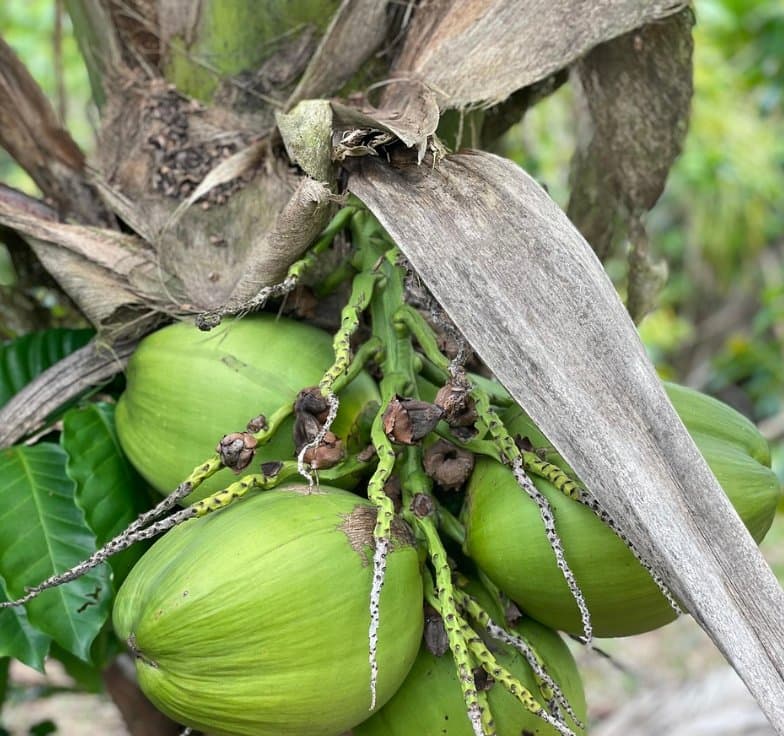
| Botanical name | Cocos nucifera L. |
| Family | Arecaceae |
| Origin | Nosy Be, Madagascar |
| Extraction method | Cold pressing of the flesh, dried in an electric dehydrator — see the full process below |
| Appearance | Solid and white below 24°C, liquid and clear above |
| Colour | Off-white to very pale yellow |
| Odour | Slightly coconut-scented |
The process
From nut to oil
From coconut (voanio) to oil, in 7 steps: from husking to final filtering.
01
Husking
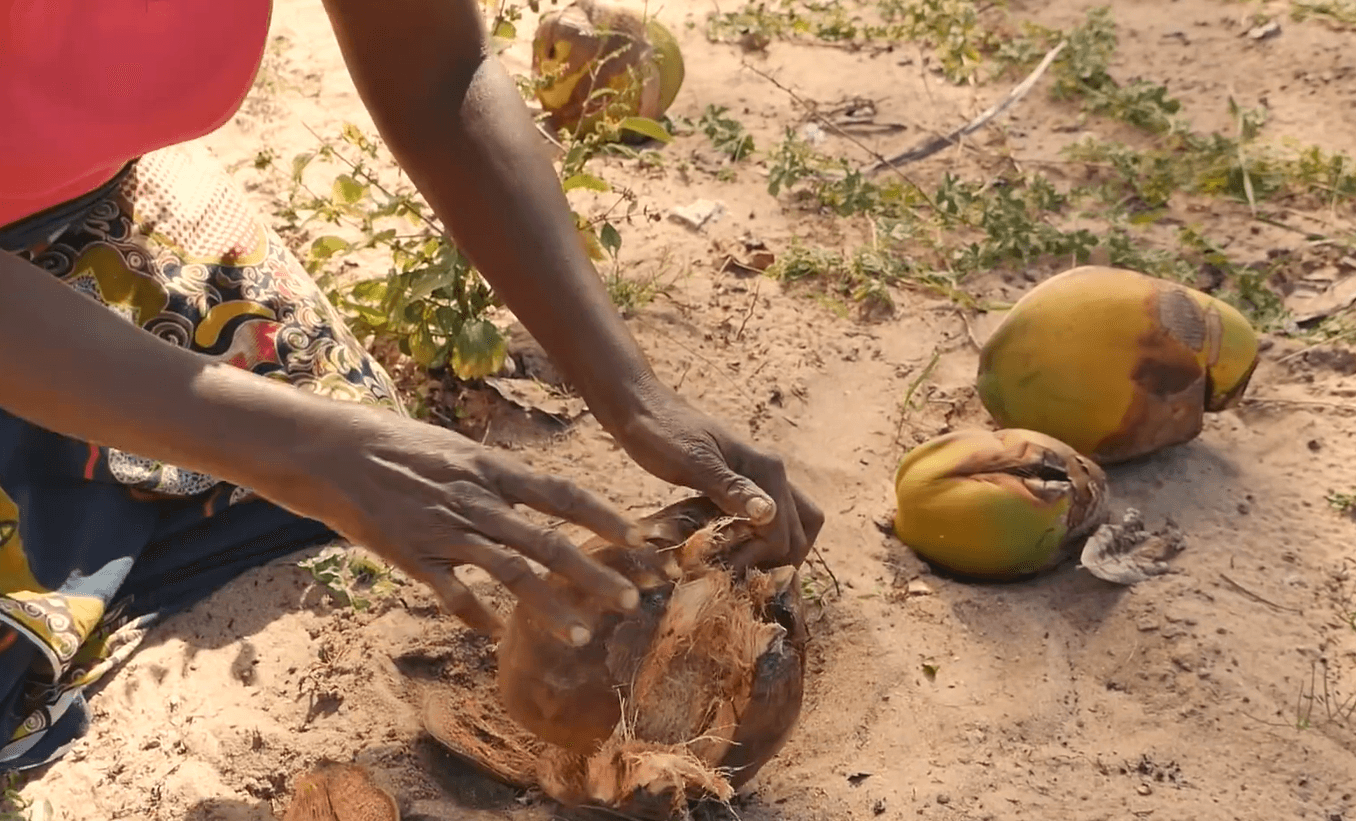
Once the coconut (voanio) is bought from the small producer, its fibrous husk (hoditra voanio) is removed by hand.
02
Opening and coconut water
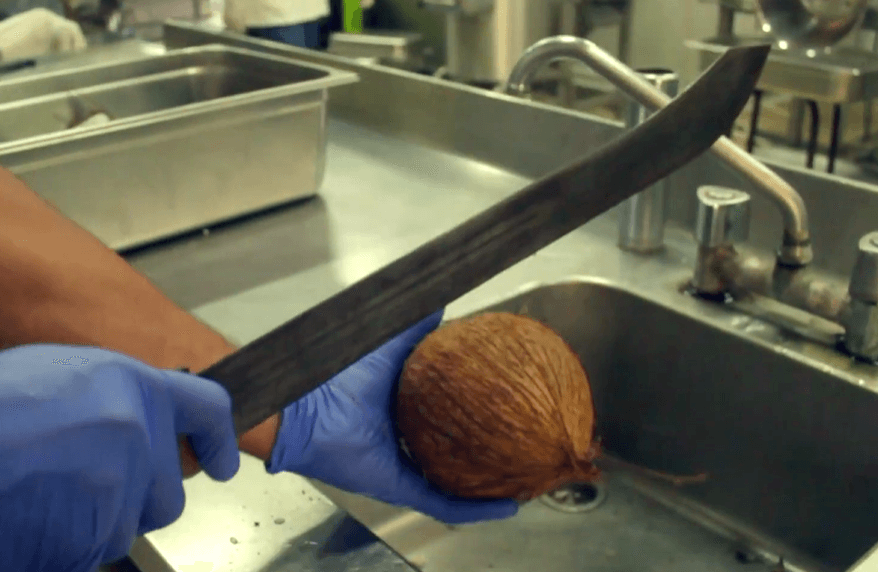
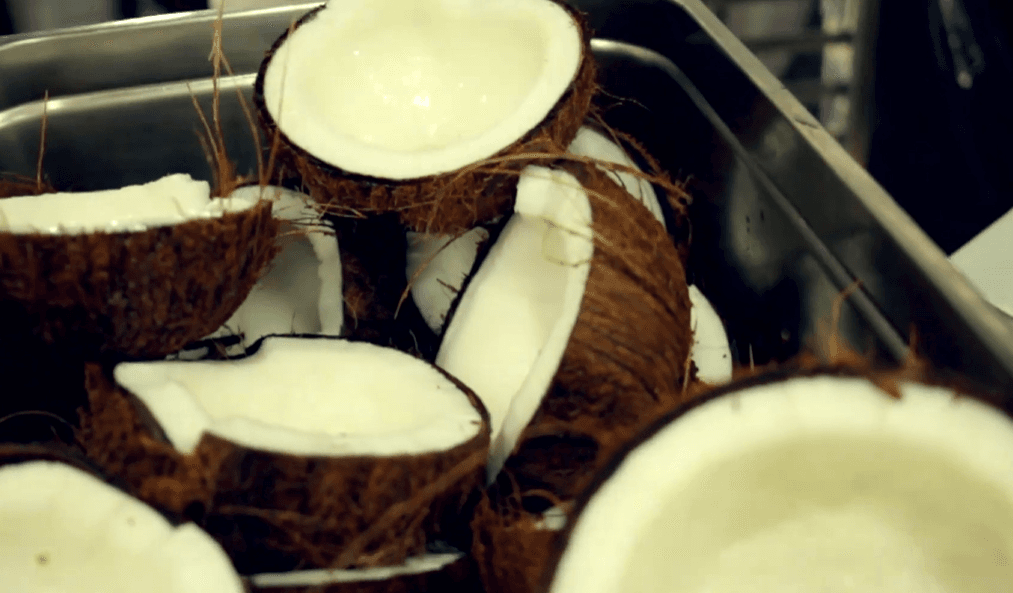
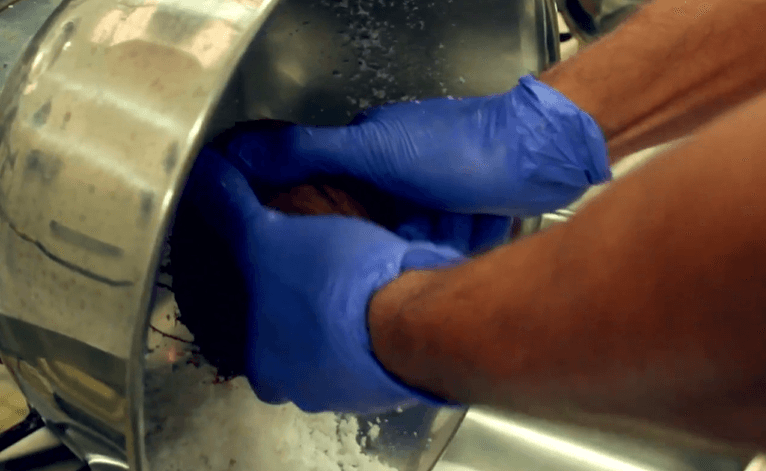
The nut is opened; the coconut water is collected and set aside, valued separately rather than discarded.
03
Extracting the flesh
The white flesh is extracted from the shell.
04
Grinding
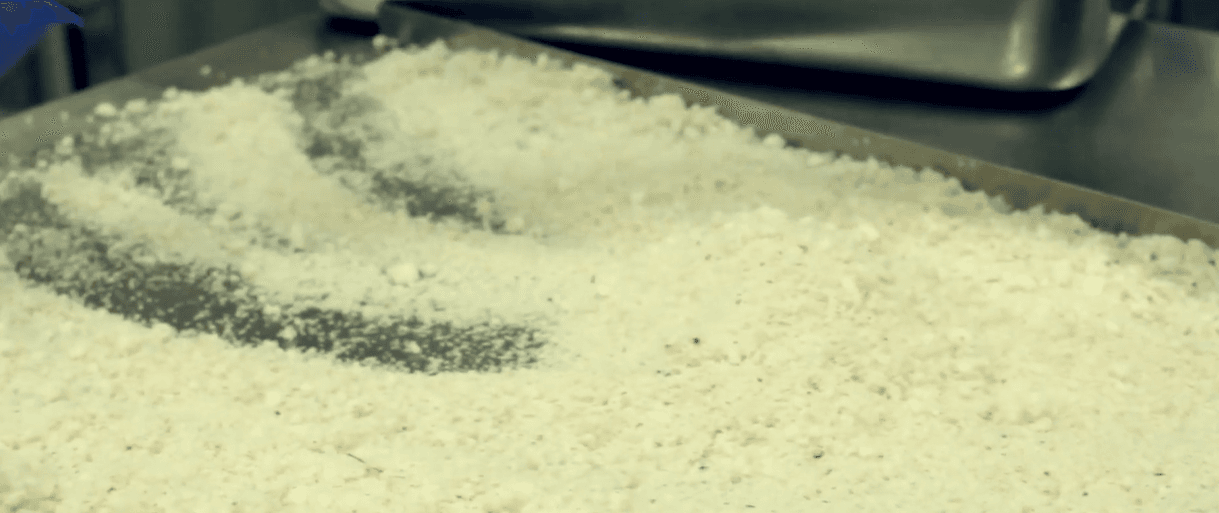
The fresh flesh is ground into a fine pulp using an electric coconut grinder.
05
Drying the flesh
The ground flesh is dried in an electric dehydrator. No fire, no combustion: the dehydrator runs on the laboratory's solar power.
06
Pressing
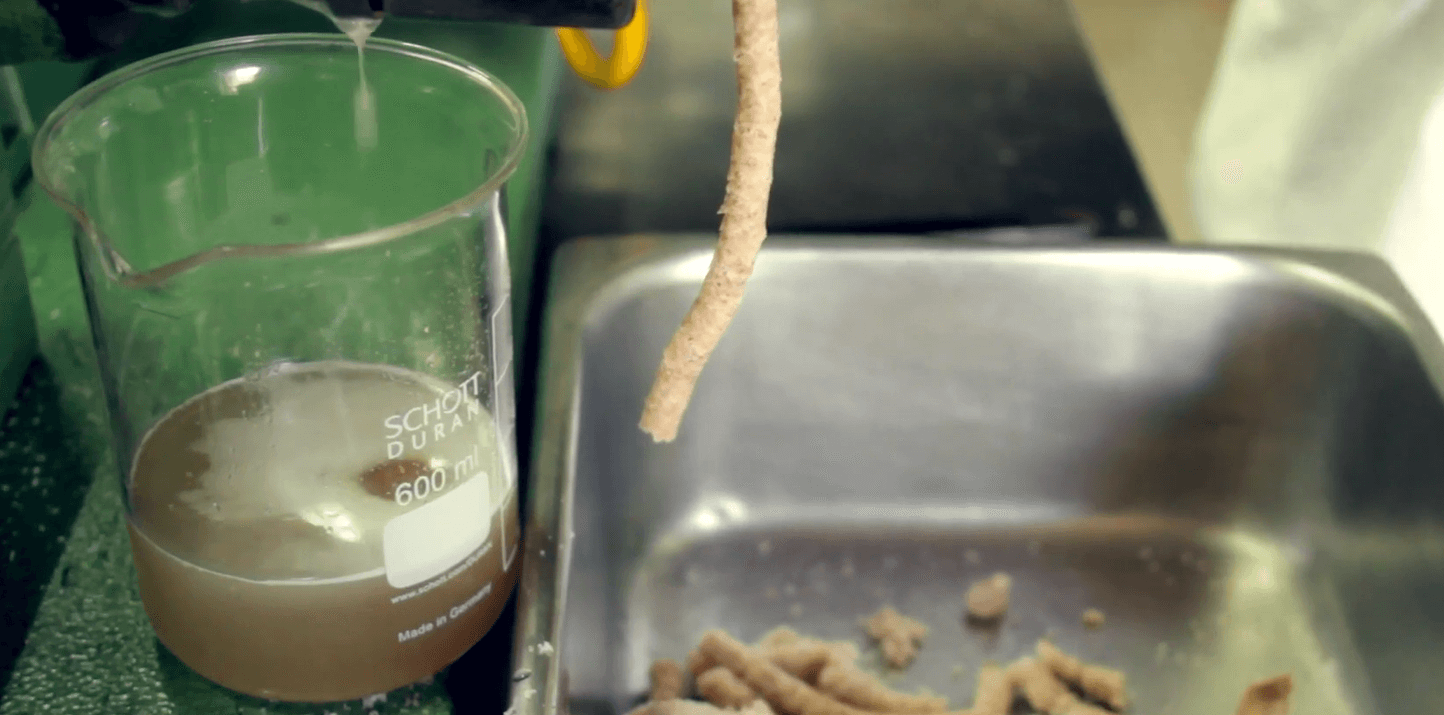
The dried flesh is cold-pressed using an electric press to extract the oil.
07
Final filtering
The oil is filtered one last time through a cotton cloth, for a clear oil.
Recognised uses
Uses of coconut oil
A historic raw material across the Indian Ocean, now sought after in three main industries. This information is provided for general interest and does not constitute a therapeutic claim.
Soap-making
A historic base for cold-process saponification, valued for its abundant lather and cleansing power — one of the most widely used fats in artisanal soap-making.
Cosmetics
An emollient and occlusive ingredient, widely used in skin and hair care, alone or blended with other oils.
Food
Cooking and baking, valued for its heat stability.
Regulatory compliance
Compliant with CODEX STAN 210
Every batch is checked against the physical and chemical specifications of CODEX STAN 210 (Codex Alimentarius), the standard for named vegetable oils, which includes coconut oil. Example reference range below — measured values for each batch appear on the analysis report provided.
| Characteristic | Min | Max |
|---|---|---|
| Relative density (40°C / water 20°C) | 0.908 | 0.921 |
| Refractive index at 40°C | 1.448 | 1.450 |
| Saponification value | 248 | 265 |
| Iodine value | 6.3 | 10.6 |
| Unsaponifiable matter | — | 15 g/kg |